
West Virginia SSDI Application Guide
Filing for SSDI in West Virginia? Understand eligibility requirements, the application timeline, and how a disability attorney can help you win your claim.

2/21/2026 | 1 min read
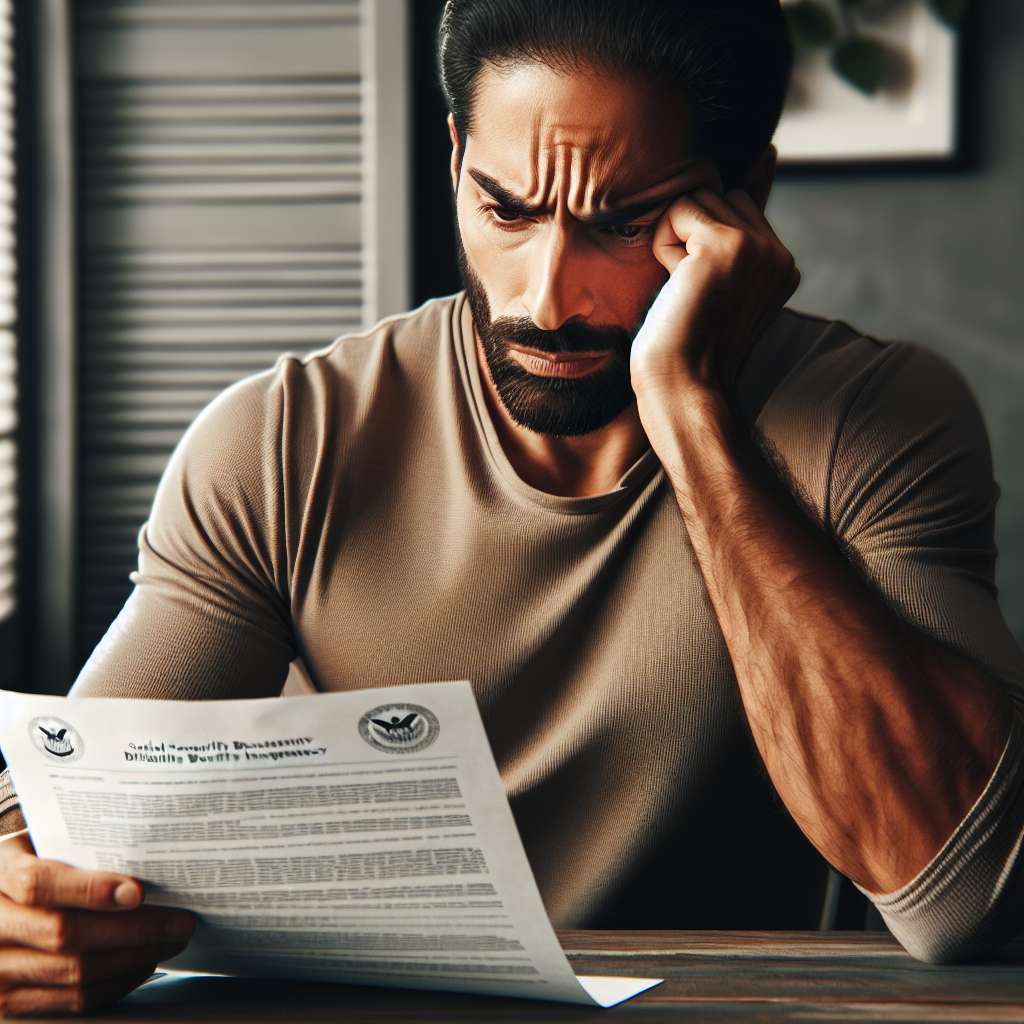
Find Out If You Qualify for SSDI Benefits
Answer 10 quick questions and get your eligibility score instantly — free, no obligation.
See If You Qualify — Free Eligibility Check →No fees unless we win · Takes under 2 minutes · No obligation
West Virginia SSDI Application Guide
Social Security Disability Insurance (SSDI) provides crucial financial support to West Virginia residents who can no longer work due to disabling medical conditions. The application process involves multiple stages and strict requirements that demand careful attention. Understanding how to navigate this complex system can significantly improve your chances of approval and help you avoid common pitfalls that lead to denials.
West Virginia has historically shown higher rates of disability claims compared to the national average, partly due to the state's industrial history and occupational hazards in mining, manufacturing, and other physically demanding sectors. Despite this familiarity with disability cases, the Social Security Administration (SSA) maintains rigorous standards for approval that apply uniformly across all states.
Eligibility Requirements for SSDI in West Virginia
Before beginning your application, you must meet two fundamental criteria: work history requirements and medical disability standards. The work history component requires that you have earned sufficient work credits through FICA tax contributions. Generally, you need 40 credits, with 20 earned in the last 10 years before your disability began. Younger applicants may qualify with fewer credits.
The medical requirement demands that your condition meets the SSA's definition of disability: you cannot perform substantial gainful activity due to a medically determinable physical or mental impairment expected to last at least 12 months or result in death. In 2024, substantial gainful activity is defined as earning more than $1,550 per month for non-blind individuals.
Common qualifying conditions among West Virginia applicants include:
- Musculoskeletal disorders, particularly back and joint problems from occupational injuries
- Respiratory conditions, including chronic obstructive pulmonary disease and black lung disease
- Cardiovascular conditions
- Mental health disorders, including depression, anxiety, and PTSD
- Neurological conditions such as neuropathy and stroke-related impairments
- Cancer and other serious medical conditions
The SSDI Application Process
West Virginia residents can apply for SSDI through three methods: online at the SSA website, by telephone at 1-800-772-1213, or in person at one of the state's Social Security field offices located in cities including Charleston, Huntington, Parkersburg, Morgantown, and Beckley. The online application is available 24/7 and allows you to save your progress, making it the most convenient option for many applicants.
The initial application requires comprehensive information about your work history, medical conditions, healthcare providers, medications, and how your disability affects daily activities. You should gather the following documentation before starting:
- Social Security number and birth certificate
- Medical records, test results, and imaging studies
- Complete list of treating physicians with contact information
- Detailed work history for the past 15 years, including job duties and physical requirements
- List of all medications with dosages
- Information about any workers' compensation or other disability benefits received
The SSA will review your application and send your case to the West Virginia Disability Determination Service (DDS) in Charleston. DDS medical and vocational experts evaluate whether your condition meets SSA's disability criteria. This initial review typically takes three to five months, though complex cases may require additional time.
What Happens After Denial
Approximately 70% of initial SSDI applications receive denials. If your claim is denied, you have 60 days from receiving the denial notice to file an appeal. Missing this deadline means starting the entire process over, so immediate action is critical.
The appeals process has four levels:
- Reconsideration: A different DDS examiner reviews your complete file. Most reconsiderations are also denied, but this step is mandatory before proceeding further.
- Administrative Law Judge (ALJ) Hearing: You present your case before a judge at a hearing office. West Virginia applicants typically appear before judges in Charleston, Huntington, or Morgantown. This is the most critical stage, where representation by an attorney significantly improves success rates.
- Appeals Council Review: If the ALJ denies your claim, you can request review by the Appeals Council in Falls Church, Virginia.
- Federal Court Review: As a final option, you may file a lawsuit in federal district court.
The ALJ hearing stage shows the highest approval rates. Having legal representation at this stage increases your likelihood of success substantially, as attorneys understand how to present medical evidence, obtain supportive expert testimony, and effectively cross-examine vocational experts.
Special Considerations for West Virginia Applicants
West Virginia's economic challenges mean many residents have limited access to ongoing medical treatment. The SSA requires consistent medical documentation, which can be difficult for uninsured or underinsured applicants. However, gaps in treatment due to financial hardship or lack of insurance should be explained in your application.
For former coal miners, federal Black Lung benefits operate separately from SSDI, but you may qualify for both programs if you meet their respective requirements. Black Lung claims are processed through the Department of Labor, not the Social Security Administration.
Rural applicants may face additional challenges attending consultative examinations or hearings due to transportation difficulties. The SSA may offer telephone hearings or video hearings as alternatives to in-person appearances, though in-person hearings often provide better opportunities to present your case effectively.
Maximizing Your Chances of Approval
Success in obtaining SSDI benefits requires thorough preparation and consistent effort. Maintain regular treatment with your physicians and follow their recommendations. Document how your conditions affect your ability to perform work tasks and daily activities. Be honest and detailed in describing your limitations—downplaying symptoms or exaggerating them both harm credibility.
Obtain strong supporting statements from treating physicians. Generic letters provide little value, but detailed opinions explaining your specific functional limitations and how your conditions prevent substantial gainful activity carry significant weight. Your doctors should address your ability to sit, stand, walk, lift, concentrate, and maintain consistent attendance.
Consider obtaining representation early in the process. While you can navigate the initial application independently, having an experienced disability attorney from the beginning ensures your application is complete and compelling. Attorneys work on contingency, receiving payment only if you win benefits, with fees capped at 25% of back benefits or $7,200, whichever is less.
Need Help? If you have questions about your case, call or text 833-657-4812 for a free consultation with an experienced attorney.
Related Articles
Get Your Free SSDI Checklist
28-step approval guide with deadlines, documents, and pro tips
Free. No spam. Unsubscribe anytime.
Frequently Asked Questions
How long does it take to get approved for SSDI?
Most initial SSDI applications take 3–6 months for a decision. Appeals can take 12–24 months. Working with a disability attorney significantly improves your approval odds at every stage.
What should I do if my SSDI claim is denied?
About 67% of initial SSDI claims are denied. You have 60 days to file a Request for Reconsideration. If denied again, request an ALJ hearing — this is where most claims are ultimately approved.
Does Louis Law Group handle SSDI cases?
Yes. Louis Law Group is a Florida law firm specializing in SSDI and SSI disability claims. We work on contingency — you pay nothing unless we win. Call (833) 657-4812 for a free consultation.
SSDI Forms You May Need
Find Out If You Qualify for SSDI Benefits
No fees unless we win · 100% confidential · Same-day response
★★★★★ 4.7 · 67 Google Reviews
What Our Clients Say
Real reviews from real clients who fought their insurance companies — and won.
"Citizens denied our roof leak claim, but this firm fought for us and got money for our repairs. We even had funds left over after fixing the roof."
"Pierre and his team are amazing. They truly cater to their clients and help you get the most from your insurance company."
"When my insurance company denied my roof damage claim, Louis Law Group stepped in and fought for me. I'm extremely satisfied with the results they obtained."
"They accomplished exactly what they set out to do and helped me finally receive my insurance check."
"Louis Law Group handled our homeowners insurance dispute and got results much faster than we expected. Excellent service and great communication."
"Very professional attorneys with outstanding attention to detail. They will not stop fighting for their clients."
* Reviews from Google. Results may vary by case.
How it Works
No Win, No Fee
We like to simplify our intake process. From submitting your claim to finalizing your case, our streamlined approach ensures a hassle-free experience. Our legal team is dedicated to making this process as efficient and straightforward as possible.
You can expect transparent communication, prompt updates, and a commitment to achieving the best possible outcome for your case.
Free Case EvaluationLet's get in touch
We like to simplify our intake process. From submitting your claim to finalizing your case, our streamlined approach ensures a hassle-free experience. Our legal team is dedicated to making this process as efficient and straightforward as possible.
12 S.E. 7th Street, Suite 805, Fort Lauderdale, FL 33301