
Fire Damage Claims in Jacksonville, Florida
Filing a fire damage insurance claim in Jacksonville, Florida? Learn your rights, documentation requirements, and how to fight a denied or underpaid claim.

2/20/2026 | 1 min read
Fire damage Claim Denied or Underpaid? Check Your Options
Fire damage claims require fast action. Take our 2-minute qualifier — free, no obligation.
See If You Qualify — Free Eligibility Check →No fees unless we win · Takes under 2 minutes · No obligation
Fire Damage Claims in Jacksonville, Florida
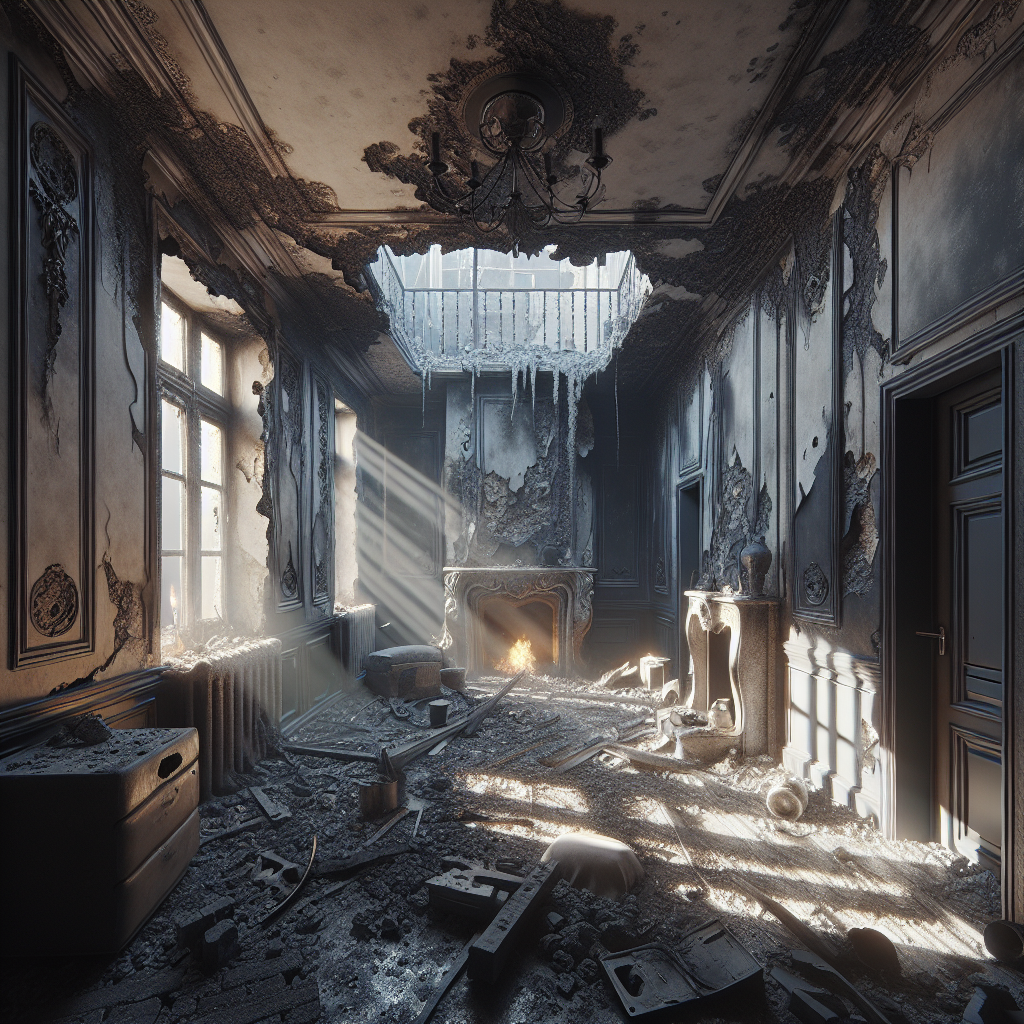
Experiencing fire damage to your home or business in Jacksonville can be devastating, both emotionally and financially. When flames, smoke, and water from firefighting efforts destroy your property, you expect your insurance company to honor the policy you've been paying for. Unfortunately, many property owners discover that filing a fire damage insurance claim becomes a complex legal battle requiring knowledge of Florida insurance law and persistence in dealing with insurance adjusters.
Understanding your rights under Florida law and the insurance claims process can make a significant difference in the outcome of your fire damage claim. Insurance companies have teams of adjusters, lawyers, and experts working to minimize payouts. As a policyholder, you need to know how to protect your interests and secure the compensation necessary to rebuild your life.
Florida's Insurance Claim Requirements After Fire Damage
When fire damages your Jacksonville property, Florida law requires you to take specific actions promptly. Your insurance policy contains deadlines and obligations that, if missed, could jeopardize your entire claim. Most policies require immediate notification of the loss, typically within a reasonable time after the fire occurs.
Under Florida Statute 627.70131, insurance companies must acknowledge receipt of your claim within 14 days. They have 90 days from receiving notice of your claim to either pay or deny it, or 90 days after reaching an agreement with you. However, these timeframes can be extended under certain circumstances, which insurers often use to their advantage.
Your responsibilities as a policyholder include:
- Notifying your insurance company immediately after the fire
- Taking reasonable steps to prevent further damage to the property
- Preparing a detailed inventory of damaged or destroyed items
- Providing documentation such as receipts, photographs, and repair estimates
- Cooperating with the insurance company's investigation
- Submitting to examination under oath if requested
Failure to comply with policy requirements can result in claim denial. However, insurance companies cannot use technical violations as a blanket excuse to deny legitimate claims. Florida courts have held that insurers must demonstrate prejudice from any alleged breach of policy conditions before denying coverage.
Common Reasons Insurance Companies Deny Fire Claims
Insurance companies deny fire damage claims for various reasons, some legitimate and others questionable. Understanding these common denial reasons helps you anticipate and address potential issues before they derail your claim.
Arson allegations represent one of the most serious claim denials. Insurance companies may hire fire investigators and forensic experts to determine the fire's origin and cause. If they suspect intentional fire-setting, they will deny the claim and may report their findings to law enforcement. Even unfounded arson allegations can delay claims for months or years.
Policy exclusions or limitations provide another avenue for denial. Insurers may claim that certain types of fire damage fall outside your policy coverage, or that policy limits are insufficient to cover the full extent of your loss. Careful policy analysis often reveals that these denials misinterpret coverage provisions.
Misrepresentation or fraud claims occur when insurance companies accuse policyholders of inflating losses or fabricating damage. Adjusters scrutinize inventories and receipts, looking for inconsistencies they can use to deny claims partially or entirely.
Late notification remains a frequent basis for denial, even when delays are reasonable under the circumstances. Insurance companies sometimes take hardline positions on timing issues, requiring legal action to establish that notification was adequate.
Pre-existing damage or neglect arguments attempt to shift blame to the policyholder. Insurers may claim that inadequate property maintenance contributed to fire damage or that some damage existed before the fire.
Calculating Your Fire Damage Claim Value
Determining the true value of fire damage requires comprehensive analysis of multiple damage categories. Insurance companies often lowball initial settlement offers, hoping policyholders will accept inadequate compensation without questioning the evaluation.
Structural damage to your building forms the foundation of most fire claims. This includes not just fire damage but also smoke damage, water damage from firefighting efforts, and structural compromise requiring demolition and rebuilding. Engineering assessments may be necessary to determine whether the structure can be repaired or requires replacement.
Contents and personal property losses encompass everything inside your home or business destroyed by fire, smoke, or water. Creating a detailed inventory with supporting documentation proves challenging after catastrophic loss, but thorough documentation maximizes recovery. Replacement cost versus actual cash value becomes critical, as these different valuation methods produce vastly different compensation amounts.
Additional living expenses compensate for hotel stays, temporary rentals, meals, and other costs incurred while your home remains uninhabitable. Many policies provide this coverage for reasonable periods, but disputes arise over what constitutes reasonable and necessary expenses.
Business interruption losses matter for commercial property owners. When fire closes your Jacksonville business, you lose income but continue facing expenses. Business interruption coverage compensates for lost profits and continuing expenses during the restoration period.
Professional appraisers, contractors, and public adjusters can provide independent valuations that counter insurance company estimates. Their expertise proves particularly valuable when dealing with unique or high-value property.
The Role of Public Adjusters and Attorneys
Navigating complex fire damage claims often requires professional assistance. Public adjusters and attorneys serve different but complementary roles in the claims process.
Public adjusters work exclusively for policyholders, not insurance companies. They assess damage, document losses, prepare estimates, and negotiate with insurance adjusters. Florida requires public adjusters to be licensed under Chapter 626 of the Florida Statutes. Their fees typically represent a percentage of the claim recovery, aligning their interests with maximizing your settlement.
Attorneys provide legal representation when claims become disputed or denied. An experienced insurance attorney understands Florida insurance law, policy interpretation, and bad faith practices. Legal representation becomes essential when facing arson allegations, significant coverage disputes, or unreasonable claim denials.
The decision between hiring a public adjuster, an attorney, or both depends on your specific situation. Simple claims with cooperative insurers may not require professional help, while complex or contested claims benefit substantially from expert assistance.
Bad Faith Insurance Practices in Florida
Florida law protects policyholders from insurance company bad faith through Florida Statute 624.155. When insurers fail to investigate claims properly, deny coverage without reasonable basis, or refuse to pay valid claims, they may be liable for bad faith.
Bad faith elements include the insurer's knowledge of no legitimate basis for denying the claim and their denial or delay anyway. Proving bad faith requires demonstrating that no reasonable insurance professional would have denied the claim under similar circumstances.
Successful bad faith claims entitle policyholders to damages beyond policy limits, including consequential damages, attorney's fees, and potentially punitive damages. This creates significant leverage in settlement negotiations, as insurance companies want to avoid bad faith exposure.
Documentation throughout the claims process proves critical for bad faith cases. Keep records of all communications with your insurance company, including phone calls, emails, letters, and in-person meetings. Note names, dates, and discussion content. This documentation establishes the timeline and demonstrates insurer misconduct.
Need Help? If you have questions about your case, call or text 833-657-4812 for a free consultation with an experienced attorney.
Related Articles
Is your insurance company handling your claim fairly?
Answer 5 questions. We'll analyze your claim against Florida property insurance law and show you exactly where you stand.
General information only, not legal advice. Based on Florida insurance law and claim best practices.
Get Your Free Property Damage Checklist
24-step claim guide — protect your rights after damage to your home
Free. No spam. Unsubscribe anytime.
Fire damage Claim? Find Out If You Qualify — Free Case Review
No fees unless we win · 100% confidential · Same-day response
★★★★★ 4.7 · 67 Google Reviews
What Our Clients Say
Real reviews from real clients who fought their insurance companies — and won.
"Citizens denied our roof leak claim, but this firm fought for us and got money for our repairs. We even had funds left over after fixing the roof."
"Pierre and his team are amazing. They truly cater to their clients and help you get the most from your insurance company."
"When my insurance company denied my roof damage claim, Louis Law Group stepped in and fought for me. I'm extremely satisfied with the results they obtained."
"They accomplished exactly what they set out to do and helped me finally receive my insurance check."
"Louis Law Group handled our homeowners insurance dispute and got results much faster than we expected. Excellent service and great communication."
"Very professional attorneys with outstanding attention to detail. They will not stop fighting for their clients."
* Reviews from Google. Results may vary by case.
How it Works
No Win, No Fee
We like to simplify our intake process. From submitting your claim to finalizing your case, our streamlined approach ensures a hassle-free experience. Our legal team is dedicated to making this process as efficient and straightforward as possible.
You can expect transparent communication, prompt updates, and a commitment to achieving the best possible outcome for your case.
Free Case EvaluationLet's get in touch
We like to simplify our intake process. From submitting your claim to finalizing your case, our streamlined approach ensures a hassle-free experience. Our legal team is dedicated to making this process as efficient and straightforward as possible.
12 S.E. 7th Street, Suite 805, Fort Lauderdale, FL 33301