
Documenting Property Damage in Florida
Documenting Property Damage in Florida — Expert legal guidance from Louis Law Group. Get a free case evaluation and learn how our attorneys can help protect.

2/20/2026 | 1 min read
See If You Have a Strong Insurance Claim
Take our 2-minute qualifier and find out if you're a strong candidate for representation — at no cost.
See If You Qualify — Free Eligibility Check →No fees unless we win · Takes under 2 minutes · No obligation
Documenting Property Damage in Florida
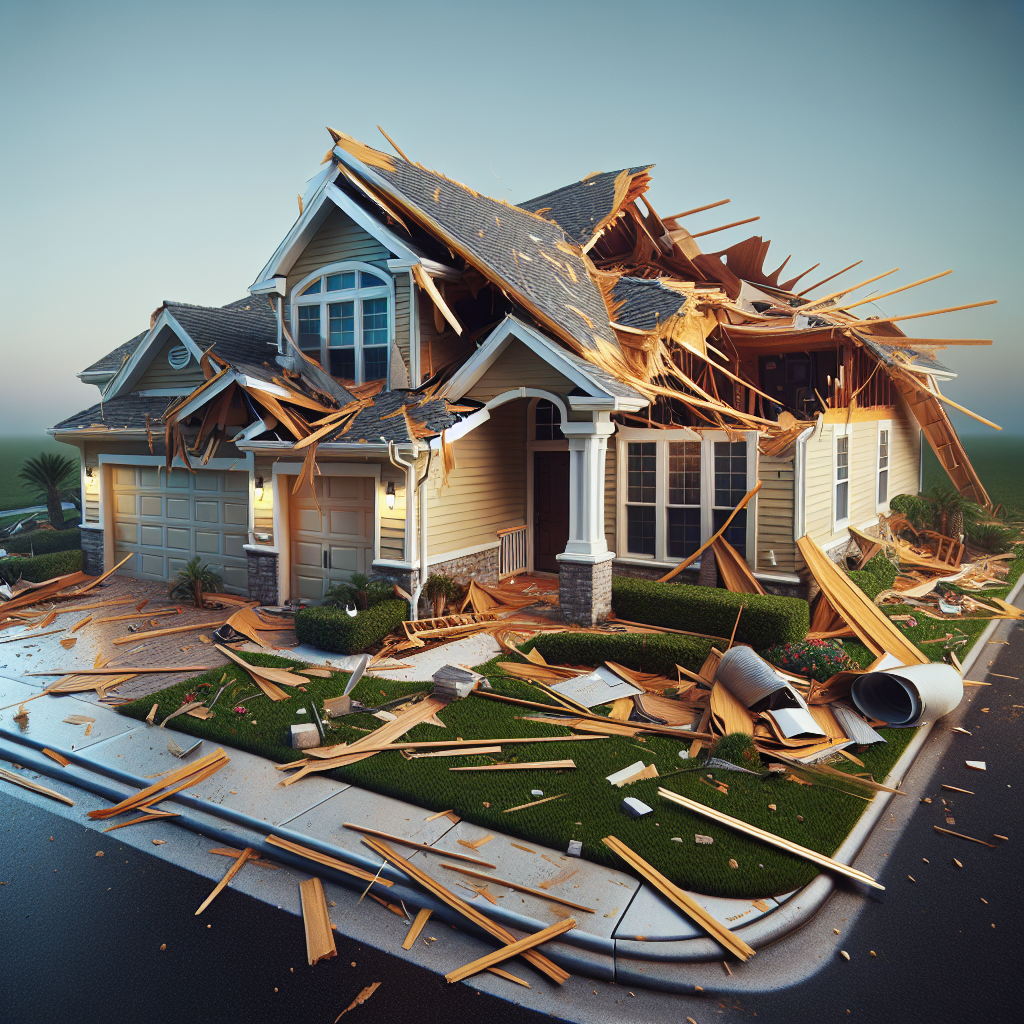
Property damage claims in Florida require meticulous documentation to ensure successful insurance recovery. As an attorney who has represented countless Orlando residents through the claims process, I can attest that the quality of your documentation often determines whether you receive fair compensation or face a denied claim. Florida's unique climate conditions, including hurricanes, tropical storms, and severe weather events, make proper damage documentation particularly crucial for homeowners and business owners alike.
The insurance claim process begins the moment damage occurs. Your actions in the hours and days following a loss event will significantly impact your ability to recover damages under your policy. Understanding Florida-specific requirements and best practices for documentation protects your legal rights and strengthens your negotiating position with insurance carriers.
Immediate Steps After Property Damage Occurs
Time-sensitive actions following property damage can make or break your insurance claim. Florida law requires policyholders to provide prompt notice of loss to their insurance carrier, though specific timeframes vary by policy type. Most homeowners policies require notification within a reasonable time period, typically interpreted as immediately or as soon as practicable.
Before any cleanup or repairs begin, thoroughly photograph and video record all damage. Capture wide-angle shots showing the overall scope of damage, then take close-up images of specific items or areas affected. Include reference objects in photos to demonstrate scale, and ensure images are date-stamped if your device has this capability. Many modern smartphones automatically embed this metadata.
Create a detailed written inventory of damaged items, including:
- The item description and location within the property
- Original purchase date and price when available
- Current estimated value or replacement cost
- Extent of damage (destroyed, repairable, partially damaged)
- Model numbers, serial numbers, and receipts if accessible
Protect your property from further damage as required under Florida law and your insurance contract. This duty to mitigate includes covering broken windows, tarping damaged roofs, and removing standing water. Document all mitigation efforts with photographs and save receipts for materials purchased. These expenses are typically reimbursable under your policy's additional living expenses or loss mitigation provisions.
Florida-Specific Documentation Requirements
Florida's insurance statutes impose specific obligations on both insurers and policyholders during the claims process. Under Florida Statute §627.70132, property insurance claims must be handled according to strict timeframes. While this statute primarily governs insurer conduct, understanding these requirements helps you maintain proper documentation that corresponds with legal deadlines.
For hurricane-related damage, Florida law recognizes the potential for delayed discovery of problems. Document the initial damage immediately, but continue monitoring your property for secondary issues such as hidden water intrusion, mold growth, or structural problems that may not manifest immediately. Subsequent damage directly resulting from the initial covered event may remain part of the same claim if properly documented and reported.
Proof of Loss forms, when required by your insurer, must be completed accurately and submitted within the specified timeframe—typically within 60 days of the insurer's request. This sworn statement requires detailed documentation of your losses. Consult with an attorney before signing if you have concerns about valuation disputes or coverage questions, as this document can limit your ability to recover additional amounts later.
Professional Inspections and Expert Documentation
While personal documentation provides an initial record, professional assessments carry significant weight during claims disputes. Consider obtaining independent inspections from licensed professionals appropriate to your damage type:
- Licensed public adjusters who work exclusively for policyholders to document and negotiate claims
- Structural engineers for foundation, framing, or significant structural concerns
- Roofing contractors with proper Florida licensing for roof damage assessment
- Mold remediation specialists when water intrusion may cause contamination
- HVAC professionals for mechanical system damage
Ensure any professional you hire holds valid Florida licenses and maintains proper insurance. Request written reports with detailed findings, photographs, and repair estimates. These documents become critical evidence if your claim proceeds to appraisal or litigation. Many insurers will attempt to rely solely on their own adjuster's assessment, making independent professional documentation essential for challenging undervalued claims.
Organizing and Preserving Evidence
Systematic organization of claim documentation protects your interests throughout the process. Create both physical and digital files containing all claim-related materials. Your claim file should include:
- Copies of your insurance policy declarations page and full policy documents
- All photographs and videos organized by date and location
- Written correspondence with your insurance company
- Notes from phone conversations including date, time, representative name, and discussion summary
- Professional inspection reports and estimates
- Receipts for emergency repairs and mitigation expenses
- Your detailed loss inventory
- Any Proof of Loss forms submitted
Maintain a claim diary documenting the timeline of events, your communications with the insurer, and any developments in the claim process. This contemporaneous record can prove invaluable if disputes arise regarding what was communicated or when actions were taken.
Never discard damaged items until your claim reaches full resolution unless they pose immediate health or safety hazards. Insurers and their experts may request to inspect damaged property, and disposal of evidence can jeopardize your claim. If items must be removed for safety reasons, photograph them thoroughly and notify your insurer in writing before disposal.
Common Documentation Mistakes to Avoid
Inadequate documentation remains the primary reason valid claims receive less compensation than deserved. Avoid these critical errors that weaken your legal position:
Failing to document pre-existing conditions. Insurers often attribute damage to pre-existing wear and tear or lack of maintenance. If possible, maintain photographs of your property in good condition before loss events occur. For Orlando residents in hurricane-prone areas, annual property documentation provides valuable evidence distinguishing new storm damage from prior conditions.
Making permanent repairs before the claim concludes. While emergency mitigation is required, permanent repairs should generally wait until your insurer completes its inspection and evaluation. Premature repairs eliminate evidence of the damage extent and can provide insurers grounds to dispute your claim.
Providing inconsistent information. Ensure all documentation tells a consistent story. Discrepancies between your initial report, photographs, and subsequent statements give insurers ammunition to deny claims based on alleged misrepresentation.
Missing documentation deadlines. Florida insurance policies contain specific deadlines for submitting documentation, cooperating with inspections, and filing suit if necessary. Missing these deadlines can result in complete claim denial regardless of the damage validity.
Comprehensive documentation serves as your strongest defense against claim denials and undervaluation. The investment of time and attention to detail during the documentation phase pays significant dividends when negotiating with insurance carriers who have substantial resources and experience minimizing claim payouts.
Need Help? If you have questions about your case, call or text 833-657-4812 for a free consultation with an experienced attorney.
Related Articles
Is your insurance company handling your claim fairly?
Answer 5 questions. We'll analyze your claim against Florida property insurance law and show you exactly where you stand.
General information only, not legal advice. Based on Florida insurance law and claim best practices.
Get Your Free Property Damage Checklist
24-step claim guide — protect your rights after damage to your home
Free. No spam. Unsubscribe anytime.
Find Out If You Qualify — Free Case Review
No fees unless we win · 100% confidential · Same-day response
★★★★★ 4.7 · 67 Google Reviews
What Our Clients Say
Real reviews from real clients who fought their insurance companies — and won.
"Citizens denied our roof leak claim, but this firm fought for us and got money for our repairs. We even had funds left over after fixing the roof."
"Pierre and his team are amazing. They truly cater to their clients and help you get the most from your insurance company."
"When my insurance company denied my roof damage claim, Louis Law Group stepped in and fought for me. I'm extremely satisfied with the results they obtained."
"They accomplished exactly what they set out to do and helped me finally receive my insurance check."
"Louis Law Group handled our homeowners insurance dispute and got results much faster than we expected. Excellent service and great communication."
"Very professional attorneys with outstanding attention to detail. They will not stop fighting for their clients."
* Reviews from Google. Results may vary by case.
How it Works
No Win, No Fee
We like to simplify our intake process. From submitting your claim to finalizing your case, our streamlined approach ensures a hassle-free experience. Our legal team is dedicated to making this process as efficient and straightforward as possible.
You can expect transparent communication, prompt updates, and a commitment to achieving the best possible outcome for your case.
Free Case EvaluationLet's get in touch
We like to simplify our intake process. From submitting your claim to finalizing your case, our streamlined approach ensures a hassle-free experience. Our legal team is dedicated to making this process as efficient and straightforward as possible.
12 S.E. 7th Street, Suite 805, Fort Lauderdale, FL 33301