
Warranty Claim Denied in Florida? Your Legal Rights and Next Steps
Denied a home or vehicle warranty claim in Florida? Learn your rights under the Magnuson-Moss Act, FL Chapter 634, and the Lemon Law, plus how to fight back.

7/8/2026 | 1 min read
Warranty Claim Denied? See If You Qualify
Take our 2-minute qualifier and find out if your denied warranty or service-contract claim qualifies for representation — at no cost.
See If You Qualify — Free Eligibility Check →No fees unless we win · Takes under 2 minutes · No obligation
Warranty claim denied in Florida? Here are your rights and next steps
If your home or vehicle warranty claim was denied in Florida, you are not out of options. Both federal and Florida law give consumers the right to challenge an improper denial, demand a written reason, and in many cases recover attorney's fees if the warranty company acted wrongly. A denial letter is the start of a dispute, not the end of it.
Below is what the law actually says, why claims get denied, and the concrete steps that put pressure back on the warranty company.

What law protects you when a warranty claim is denied?
Three layers of law can apply to a denied warranty claim in Florida:
- The Magnuson-Moss Warranty Act (federal). This federal statute, codified at 15 U.S.C. Section 2301 and following, governs written warranties on consumer products. It bars deceptive warranty terms and, critically, lets a consumer who wins recover court costs and reasonable attorney's fees, which changes the economics of a small dispute.
- Florida Chapter 634 (warranty associations). Florida regulates the companies that sell service warranties and vehicle service agreements. Part I covers Motor Vehicle Service Agreement Companies (Sections 634.011 to 634.288), and Part III covers Service Warranty Associations, which include many home and appliance service contracts (Sections 634.401 to 634.444). These companies are licensed and supervised by the Florida Office of Insurance Regulation.
- Florida Chapter 681 (the Lemon Law). The Motor Vehicle Warranty Enforcement Act covers new motor vehicles that cannot be repaired to conform to the manufacturer's written warranty. A consumer who prevails can recover pecuniary losses, litigation costs, reasonable attorney's fees, and equitable relief.
The right law depends on what you bought. A dealer-sold "extended warranty" on a used car is usually a service agreement under Chapter 634, not the Lemon Law. A defect in a brand-new car falls under Chapter 681.
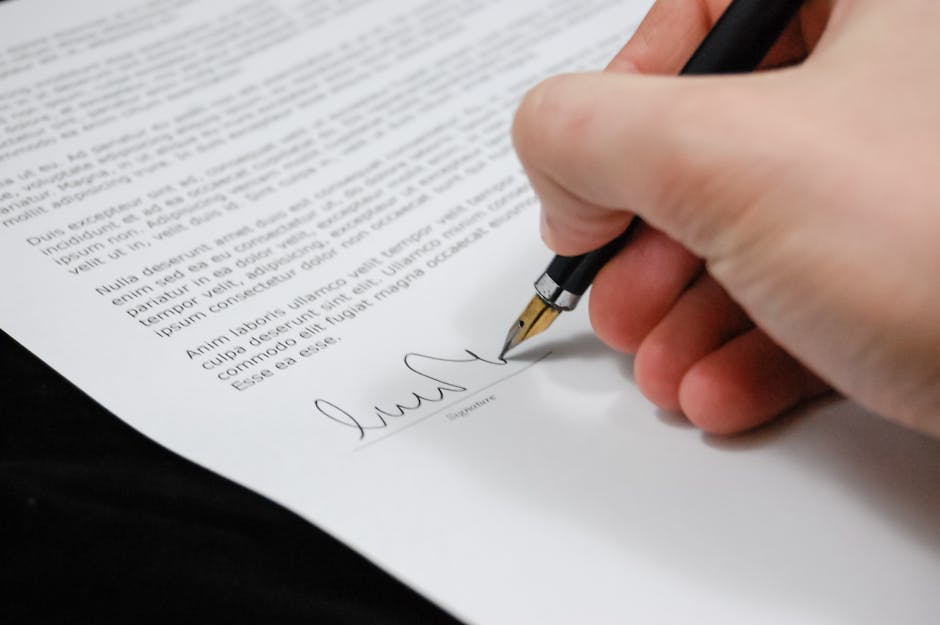
Why do warranty companies deny valid claims?
Warranty and service-contract companies deny claims for a mix of legitimate and questionable reasons. The most common denial grounds are:
- "Pre-existing condition." The company claims the problem existed before coverage started.
- "Lack of maintenance." The company blames the failure on a missed oil change or service record.
- "Not a covered part." The denial rests on a narrow reading of the contract's covered-components list.
- "Unauthorized repair." You used a shop the company did not pre-approve.
- Betterment or wear-and-tear exclusions. The company pays only a fraction, citing the age of the part.
A denial is only as strong as the contract language and the facts behind it. Many denials collapse once a consumer requests the written basis for the decision and the specific contract provision relied on.
What should you do right after a warranty denial?
Take these steps in order. They preserve your rights and build the record you would need to escalate.
- Get the denial in writing. Ask for the specific contract section and the factual reason for the denial. Verbal denials are hard to challenge.
- Read your contract's covered and excluded parts. Match the denial reason to the actual language. Ambiguity in a consumer contract is generally construed against the company that wrote it.
- Gather your evidence. Repair orders, maintenance records, photos, and the diagnosing mechanic's or contractor's written opinion.
- Send a written demand. Cite the coverage provision and ask the company to reconsider by a set date.
- File a complaint with the Florida Department of Financial Services. Service warranties and vehicle service agreements are regulated, and the state can investigate the company's conduct.
- Talk to a consumer attorney. Because Magnuson-Moss and the Lemon Law shift attorney's fees to the losing company, many warranty cases can be pursued at little or no upfront cost to you.
Does the warranty company have to pay my attorney's fees?
Often, yes, if you win. This is the single most important feature of warranty law for consumers. Under the Magnuson-Moss Warranty Act, a prevailing consumer may recover reasonable attorney's fees on top of the claim value. Florida's Lemon Law contains a similar fee-shifting provision for prevailing consumers. Fee-shifting is why warranty disputes that seem too small to litigate are often worth pursuing.
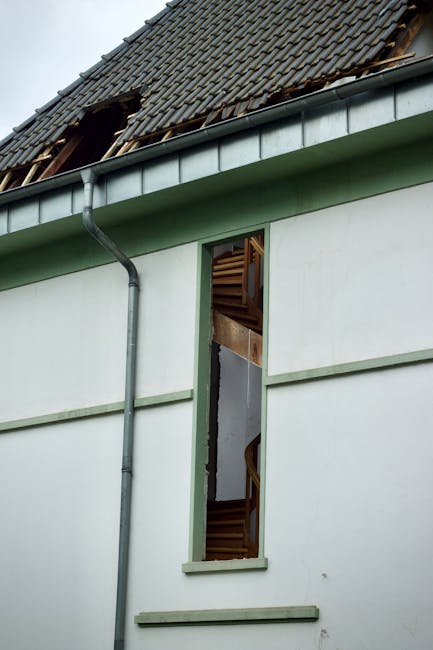
How courts treat warranty disputes
Warranty litigation is active and consumer claims regularly move forward. Recent appellate decisions across the country, including the Ford Motor Warranty Cases line of litigation decided by the California Supreme Court in 2025 and vehicle service-contract rulings such as Richard v. CarMax (Ohio Court of Appeals, 2023), show courts scrutinizing how warranty and service-contract obligations are enforced and arbitrated. The details vary by state, but the theme is consistent: a written warranty is an enforceable promise, and consumers have avenues to hold the seller to it.
When to involve a Florida warranty attorney
Consider legal help if any of these apply:
- The denial contradicts the plain language of your contract.
- The company will not put its reasoning in writing.
- The failure is expensive (engine, transmission, HVAC, roof, or major appliance).
- You have already sent a demand and been ignored.
An attorney can force the written basis for the denial, invoke the fee-shifting statutes, and, where warranted, file suit.
Frequently asked questions
Is a denied warranty claim final? No. A denial is the warranty company's position, not a binding ruling. You can demand reconsideration, file a state complaint, and sue if necessary.
Is an "extended warranty" on a used car covered by the Lemon Law? Usually not. Those are typically service agreements governed by Florida Chapter 634, Part I, not the Lemon Law in Chapter 681, which covers new motor vehicles.
How long do I have to act? Deadlines depend on your contract and the statute involved, and they can be short. Do not wait; get the denial reviewed promptly.
What does it cost to fight a denial? Because federal and Florida law can shift attorney's fees to the company when the consumer prevails, many warranty claims can be handled with no upfront legal fee.
Talk to Louis Law Group
Louis Law Group represents Florida consumers whose home and vehicle warranty claims were wrongly denied or underpaid. If you have a denial letter, we can review your contract and the denial at no cost and explain your options. Get a free case evaluation or call (833) 657-4812.
This article is general information about Florida and federal warranty law and is not legal advice. Every claim depends on its own contract and facts.
Photos via Pexels (Jose Ricardo Barraza Morachis; Pixabay; Peter Dyllong), used under the Pexels License.
Find Out If You Qualify — Free Case Review
No fees unless we win · 100% confidential · Same-day response
★★★★★ 4.7 · 67 Google Reviews
What Our Clients Say
Real reviews from real clients who fought their insurance companies — and won.
"Citizens denied our roof leak claim, but this firm fought for us and got money for our repairs. We even had funds left over after fixing the roof."
"Pierre and his team are amazing. They truly cater to their clients and help you get the most from your insurance company."
"When my insurance company denied my roof damage claim, Louis Law Group stepped in and fought for me. I'm extremely satisfied with the results they obtained."
"They accomplished exactly what they set out to do and helped me finally receive my insurance check."
"Louis Law Group handled our homeowners insurance dispute and got results much faster than we expected. Excellent service and great communication."
"Very professional attorneys with outstanding attention to detail. They will not stop fighting for their clients."
* Reviews from Google. Results may vary by case.
How it Works
No Win, No Fee
We like to simplify our intake process. From submitting your claim to finalizing your case, our streamlined approach ensures a hassle-free experience. Our legal team is dedicated to making this process as efficient and straightforward as possible.
You can expect transparent communication, prompt updates, and a commitment to achieving the best possible outcome for your case.
Free Case EvaluationLet's get in touch
We like to simplify our intake process. From submitting your claim to finalizing your case, our streamlined approach ensures a hassle-free experience. Our legal team is dedicated to making this process as efficient and straightforward as possible.
12 S.E. 7th Street, Suite 805, Fort Lauderdale, FL 33301