
Disability Hearing Guide for West Virginia
⚠️Statute of limitations may apply. Text us now for a free case evaluation — protect your rights today.
2/20/2026 | 1 min read
Upload Your SSDI Denial — Free Attorney Review
Our SSDI attorneys will review your denial letter and tell you if you have an appeal case — at no charge.
🔒 256-bit encrypted · Attorney-client privilege applies · No fees unless we win · Same-day response
Need help with an initial SSDI/SSI application — Click here for helpDisability Hearing Guide for West Virginia
If your initial Social Security Disability Insurance (SSDI) application has been denied, the hearing stage before an Administrative Law Judge (ALJ) represents your most critical opportunity to secure benefits. In West Virginia, where approval rates can vary significantly between hearing offices, understanding the process and preparing thoroughly can make the difference between approval and denial.
The hearing stage is where most disability claims are won. Statistics show that applicants who appear before an ALJ have substantially higher approval rates than at earlier stages of the process. However, success is far from automatic, and proper preparation is essential.
Understanding the West Virginia Hearing Process
West Virginia disability hearings are conducted at Office of Disability Adjudication and Review (ODAR) locations, now known as hearing offices. The primary hearing offices serving West Virginia residents are located in Charleston, Huntington, and several surrounding areas. Some claimants may also have hearings conducted via video conference from other locations.
After requesting a hearing following a reconsideration denial, expect to wait between 12 to 18 months before your hearing date, though wait times can vary by location. The Charleston and Huntington offices have historically experienced different average wait times and approval rates, factors worth considering when planning your case strategy.
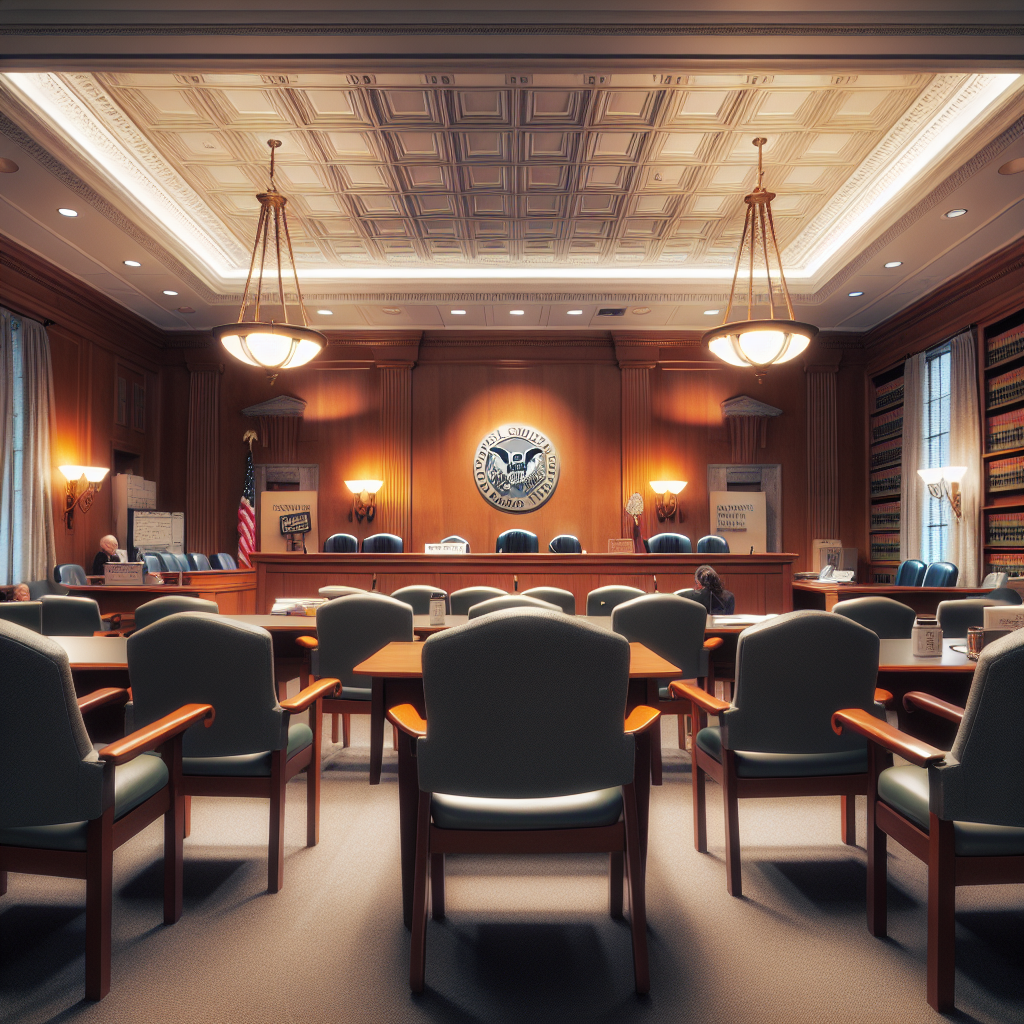
The hearing itself is less formal than a courtroom trial but remains a serious legal proceeding. The ALJ will be seated at the front of the room, with a hearing reporter recording the proceedings. You will be sworn in and asked to testify about your medical conditions, work history, daily activities, and limitations. In many cases, the ALJ will also hear testimony from vocational experts who provide opinions about what jobs, if any, you can perform given your limitations.
Preparing Your Medical Evidence
Medical evidence forms the foundation of every successful disability claim. West Virginia claimants should ensure their medical records are complete, current, and clearly document their limitations. The ALJ must have evidence showing that your condition has lasted or will last at least 12 continuous months and prevents you from performing substantial gainful activity.
Key medical evidence includes:
- Treatment records from all healthcare providers, including primary care physicians, specialists, and mental health professionals
- Diagnostic test results such as MRIs, CT scans, X-rays, and laboratory work
- Medication records showing what treatments have been prescribed and their side effects
- Physical or mental functional capacity evaluations from treating physicians
- Hospital admission and emergency room records
- Records from physical therapy, occupational therapy, or other rehabilitation services
West Virginia has areas with limited access to specialist care, particularly in rural counties. If you have difficulty obtaining regular treatment due to transportation issues, lack of specialists in your area, or financial barriers, document these obstacles. ALJs understand that treatment gaps may reflect access issues rather than improvement in your condition.
What to Expect During Testimony
Your testimony at the hearing allows you to explain how your conditions affect your daily life in ways medical records may not fully capture. The ALJ will ask questions about your typical day, what activities you can and cannot perform, and how your conditions limit your ability to work.
Be prepared to discuss specific examples of your limitations. Rather than simply stating you have pain, explain where it is located, what makes it worse, how long it lasts, and what you must do to get relief. Describe how medications affect you, including side effects like drowsiness, dizziness, or cognitive difficulties.
Common areas of questioning include:
- Your ability to sit, stand, walk, lift, and perform other physical activities
- Concentration, memory, and ability to follow instructions
- Social interactions and ability to handle workplace stress
- Personal care activities like bathing, dressing, and preparing meals
- Household chores and whether you need help completing them
Answer all questions honestly and completely. If you don't understand a question, ask for clarification. Never exaggerate your limitations, as credibility is crucial, but don't minimize your difficulties either.
The Role of Vocational Expert Testimony
Most West Virginia disability hearings include testimony from a vocational expert (VE). These professionals provide opinions about what jobs exist in the national economy and whether someone with your limitations could perform them. The ALJ will pose hypothetical questions to the VE describing various functional limitations, and the VE will identify jobs that could be performed under those limitations.
The VE testimony often determines the outcome of your case. If the VE testifies that no jobs exist that you could perform given all your limitations, the ALJ should find you disabled. Your representative can cross-examine the VE to clarify testimony or challenge assumptions in the hypothetical questions.
Understanding West Virginia's employment landscape matters in these discussions. The state's economy has shifted significantly in recent decades, with declines in manufacturing and coal mining. VE testimony must reflect current job availability, not outdated occupational data.
Maximizing Your Chances of Approval
Several strategies can strengthen your case at the hearing level. First, obtain updated medical evidence shortly before your hearing. Recent records showing ongoing treatment and continued limitations carry significant weight. If possible, ask your treating physician to complete a functional capacity assessment specifically addressing your work-related limitations.
Second, consider whether witness testimony would help your case. Statements from family members, friends, or former employers who can describe how your conditions affect your functioning provide valuable corroboration of your testimony.
Third, understand how your age, education, and work experience affect your case. Social Security disability rules provide more favorable consideration to older workers, particularly those over age 50 and 55. If you have limited education or only heavy physical work experience, this may support your claim, especially if you cannot return to that type of work.
Fourth, representation matters significantly at the hearing level. Statistics consistently show that represented claimants have higher approval rates than those who appear without representatives. An experienced disability attorney or advocate understands how to develop evidence, prepare you for testimony, and present legal arguments that maximize your chances of success.
Finally, be prepared to discuss why you cannot work. The ALJ needs to understand not just your diagnoses, but how your symptoms and limitations prevent you from maintaining competitive employment. Focus on what you cannot do reliably on a sustained basis, eight hours per day, five days per week.
Need Help? If you have questions about your case, call or text 833-657-4812 for a free consultation with an experienced attorney.
Related Articles
SSDI Forms You May Need
Related SSDI Resources — Virginia
Ready to Fight Back? Get a Free Case Review.
No fees unless we win · 100% confidential · Same-day response
Start Your Free Review →★★★★★ 4.7 · 67 Google Reviews
What Our Clients Say
Real reviews from real clients who fought their insurance companies — and won.
"Citizens denied our roof leak claim, but this firm fought for us and got money for our repairs. We even had funds left over after fixing the roof."
"Pierre and his team are amazing. They truly cater to their clients and help you get the most from your insurance company."
"When my insurance company denied my roof damage claim, Louis Law Group stepped in and fought for me. I'm extremely satisfied with the results they obtained."
"They accomplished exactly what they set out to do and helped me finally receive my insurance check."
"Louis Law Group handled our homeowners insurance dispute and got results much faster than we expected. Excellent service and great communication."
"Very professional attorneys with outstanding attention to detail. They will not stop fighting for their clients."
* Reviews from Google. Results may vary by case.
How it Works
No Win, No Fee
We like to simplify our intake process. From submitting your claim to finalizing your case, our streamlined approach ensures a hassle-free experience. Our legal team is dedicated to making this process as efficient and straightforward as possible.
You can expect transparent communication, prompt updates, and a commitment to achieving the best possible outcome for your case.
Free Case EvaluationLet's get in touch
We like to simplify our intake process. From submitting your claim to finalizing your case, our streamlined approach ensures a hassle-free experience. Our legal team is dedicated to making this process as efficient and straightforward as possible.
12 S.E. 7th Street, Suite 805, Fort Lauderdale, FL 33301